All Categories
Featured
Table of Contents
What precisely sets ice cream apart from its frozen cousins? Each treat brings special tastes, textures, and histories to the table, making the choice all the more tough for sweet tooths around the world.
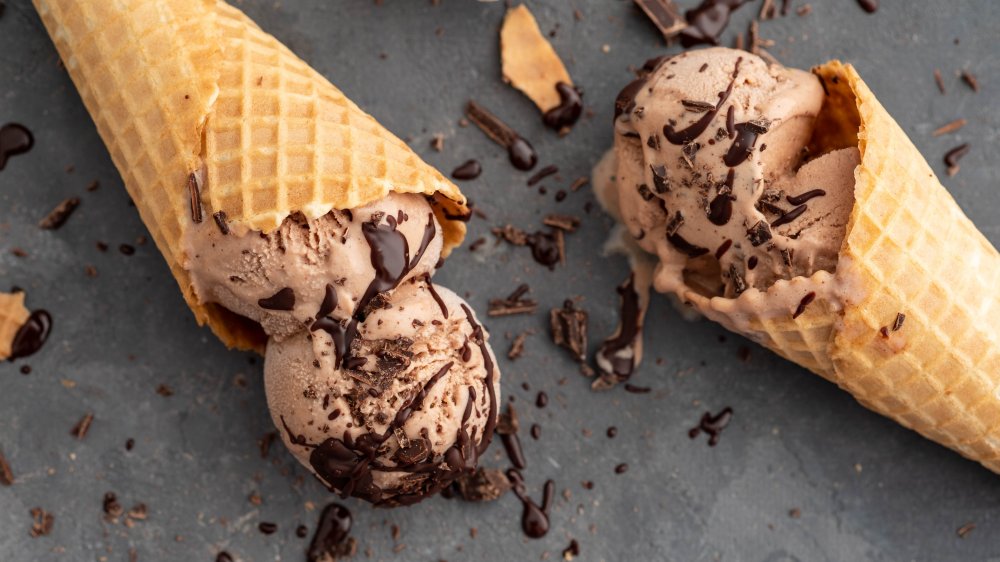
This variation of ice cream is not the version we understand. This frozen treat was a mix of overcooked rice, spices, and milk. As you can envision, it was extremely pricey to drag snow across China in the summer season. The widespread schedule of ice cream as we understand it, though, owes much to technological developments in the 19th and 20th centuries, consisting of the development of the ice cream maker and the intro of refrigeration.
The series of flavors is as vast as one's creativity, from timeless vanilla and chocolate to avant-garde combinations like lavender honey and matcha green tea. Custard is like ice cream's abundant cousin. Why rich you ask? It resembles ice cream in practically every method other than for one huge active ingredient, egg yolks.
How Creamy Flavours Elevate a Perfect Bite
The origins of frozen custard are stated to be in 1914 Coney Island New York City where the Kohr Brothers started a tasty tradition. The brothers were trying to make their ice cream last in the hot summer season sun. So, they try out their dish and quickly found that by adding egg yolk, the desert was thicker, and would stay chillier longer.
Things initially, both are deserts, so healthy is a relative term here. When it concerns determining which is "healthier", ice cream versus custard, it depends on what element of healthy are you attempting to solve for. Typically, custard frequently has a greater fat content due to the egg yolks, and because of that can be greater in calories than ice cream.
And, the egg yolks offer vitamins such as Vitamin A, D, and E. For somebody watching their cholesterol consumption, the egg yolks in custard might be a concern. On the other hand, for people searching for a reward with a little additional vitamins and minerals, custard could be appealing.
Creating a New Narrative of Indulgent Sweets
Average Nutrition Info based on an 8oz Portion. Will differ by brand name. Calories Fat Carbs Protien Ice Cream 420 28 34 8 Frozen Custard 460 24 48 12 Gelato 200 8 28 4 Frozen Yogurt 200 4 40 6 Sherbet 214 3 45 2.8 Ice Milk/ Slim Ice Cream 180 4 16 1 Hailing from Italy, gelato is ice cream's denser, milkier cousin.
With less air and a higher proportion of milk to cream, it has a lower fat content and more extreme flavors. Ice cream has a higher portion of fat due to the fact that it utilizes more cream than milk. By law, ice cream need to have at least 10% to 16% milkfat, most premium ice creams have much more than 10%.
Gelato is churned at a slower speed, resulting in a denser product with less air, usually around 20-30%. Gelato is served at a somewhat warmer temperature than ice cream. This implies gelato has a softer texture, whereas ice cream is firmer and cooler. The lower fat material and higher serving temperature level of gelato enable it to provide flavors more intensely compared to ice cream.
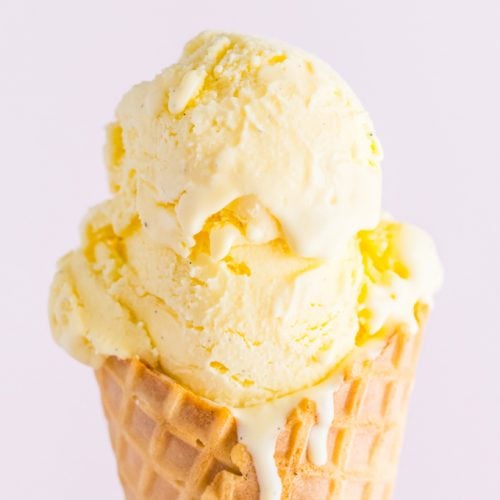
Who would not like to please their sweet tooth without the regret? Made with yogurt rather of cream, frozen yogurt has a tasty taste and a lower fat content. Ice cream's primary component is cream, whereas frozen yogurt, as the name suggests, is made with cultured milk (yogurt) rather of cream.
Frozen yogurt tends to be a bit more tart and has a less creamy texture due to the lower fat content and less air from the churning procedure. Though frozen yogurt includes live bacterial cultures, the freezing process can halt the activity of these germs, just a little stays practical.
How Rich Flavours Define the Best Bite
Due to its lower fat content, frozen yogurt frequently has less calories than ice cream. Nevertheless, the calorie count can vary commonly amongst brands and tastes, especially with the addition of sugar, syrups, and toppings. There are numerous differences in between ice cream and sherbet including the components utilized, texture, fat material, and flavor profile.
It is made with fruit juice or pure, sugar, and water. Like ice cream it likewise has milk, however it is a very percentage of milk. By law, sherbet needs to have a milkfat content of 1 to 2%, much is much less than ice cream. This difference in fat likewise gives the two a different texture.

Latest Posts
Why Frozen Custard Outperforms Standard Treats
Your Final Creamy Custard Vs. Ice Cream Debate
How to Identify New Top Frozen Snacks in 2026